
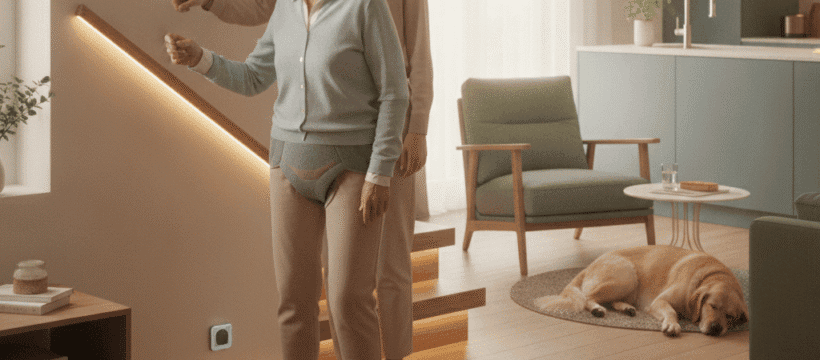
Ensuring the well-being of our aging loved ones is a heartfelt priority for many families. I know firsthand the comfort that comes from knowing they are safe and cared for, even when I cannot be right there with them. We all want our seniors to maintain their independence in a secure environment.
Modern advancements offer incredible tools and strategies to achieve this peace of mind. By thoughtfully integrating technology and practical approaches, we can create living spaces that actively promote enhanced safety for aging loved ones. This helps them enjoy their golden years with dignity and fewer worries.
As part of Egy Bloggers, we explore how technology connects us and simplifies life. I am excited to share my insights on how careful planning can significantly boost the safety and security of senior family members.
Understanding Everyday Risks for Seniors at Home
Aging brings many changes and sometimes new challenges. One of my biggest concerns for senior family members is the risk of accidents or emergencies within their own homes. Falls are a particularly significant issue, often leading to serious injuries and a loss of independence. A simple trip over a rug or a slip in the shower can have lasting consequences.
Beyond physical accidents, there is also the risk of medical emergencies. Conditions can change rapidly, and a senior might need immediate assistance but be unable to call for help. Things like sudden chest pain or a dizzy spell require quick action. I believe that being prepared for these moments makes all the difference.
Isolation is another silent threat to senior safety. Living alone can increase feelings of loneliness, and it also means there might be no one to notice if something is wrong. This lack of immediate social contact can delay crucial help during an emergency. We want to prevent these situations from escalating.
Recognizing the Impact of Falls
Falls are not just a minor inconvenience for older adults. They are a leading cause of injury and can mark the beginning of a decline in health. I often hear stories about how a single fall dramatically altered a senior’s life. It is not just the physical injury but the fear of falling again that can limit their activities and reduce their quality of life.
Home modifications such as grab bars in bathrooms, proper lighting, and clear pathways can reduce these risks significantly. Understanding where falls are most likely to happen helps us prevent them. We need to create environments where every step feels secure for them.
Addressing Medical Emergency Preparedness
Preparing for medical emergencies is essential for enhanced safety. This means having clear protocols and reliable tools in place. Knowing that help is just a button press away can relieve a lot of stress for both seniors and their families. This level of readiness truly saves lives.
I always recommend keeping an updated list of medications and doctor contacts easily accessible. This information is vital for emergency responders. Being proactive about health monitoring and quick response plans gives everyone greater confidence.
Leveraging Smart Home Technology for Greater Security
Smart home technology is no longer just for convenience it is a powerful tool for enhanced safety for aging loved ones. Imagine a home that can detect unusual activity or provide assistance without direct human intervention. This technology creates a protective layer around our seniors.
Simple devices like motion sensors can alert caregivers if a senior has not moved in a specific amount of time or if they leave their bed unexpectedly at night. Smart lighting systems can automatically turn on when someone enters a room, preventing trips and falls in the dark. These small changes make a big impact.
Smart locks also provide peace of mind. Family members can grant access remotely, or check if doors are secured, without needing a physical key. This means no fumbling for keys and an added layer of security against unwanted visitors. We can ensure that only authorized people enter the home.
Automated Systems for Daily Peace of Mind
Automated systems take the burden off seniors and their families. I have seen how much stress this technology can alleviate. For example, programmed thermostats maintain comfortable temperatures, reducing the risk of heatstroke or hypothermia. Smart plugs can turn off appliances that might have been left on, preventing fire hazards.
These systems work silently in the background, providing constant monitoring and support. They allow seniors to live independently longer because many small daily tasks are managed for them. It is about empowering them with subtle assistance.
Remote Access and Control Benefits
The ability to monitor and control aspects of a senior’s home remotely is incredibly valuable. I often use apps to check on my own family’s smart devices. This means I can adjust the thermostat or lock a door from my own phone, even if I am miles away.
This remote access means family members can assist without being physically present. It offers a way to stay connected and proactive in their care. It gives everyone a sense of security that their loved ones are safe.
The Power of Personal Emergency Response Systems
Personal Emergency Response Systems are a cornerstone of enhanced safety for aging loved ones. These devices are specifically designed to provide immediate assistance when a senior needs help. They are usually worn as pendants or wristbands, so they are always accessible.
With just the press of a button, these systems connect the senior to a monitoring center or designated family contacts. This rapid response can be life-saving during a fall or a sudden health crisis. I consider them an essential investment for anyone living alone.
The most effective systems offer 24/7 monitoring, so help is always available, day or night. This continuous support offers true peace of mind. For a deeper dive into how seniors can benefit from this constant vigilance, I recommend reading about the advantages of around-the-clock monitoring on All Women Stalk.
Choosing the Right Monitoring Solution
Selecting the best personal emergency response system involves looking at several factors. Consider whether the senior prefers a wearable device or a system integrated into their home. Some devices offer fall detection, which automatically calls for help even if the senior cannot press a button. This feature is very important for those at higher risk of falls.
Connectivity options also matter. Some systems use a landline, while others rely on cellular service, offering greater flexibility for those without traditional phones. I always advise checking the range of the device to ensure it works throughout the home and even in the yard. Choosing wisely ensures reliable protection.
Integrating Communication Tools for Family Connection
Technology helps bridge distances, allowing families to stay closely connected with their aging loved ones. This connection is not just about emotional support it is also a vital aspect of enhanced safety. Regular communication helps combat isolation and allows family members to check in visually and verbally.
Video calling apps and devices like smart displays make it easy for seniors to see and speak with family members. These tools often have large screens and simple interfaces, making them senior-friendly. I have seen how much joy these video calls bring to my own relatives.
Easy-to-use phones with large buttons and amplified sound are also beneficial. These devices ensure that seniors can always reach out if they need something. They remove barriers to communication that older technology might create. We want to foster constant, effortless contact.
Simple Interfaces for Senior-Friendly Communication
When selecting communication technology, simplicity is key. Overly complicated gadgets can frustrate seniors and deter them from using them. I look for devices with intuitive controls and minimal setup. The goal is to make connecting as natural as possible.
Many smart displays offer voice control, meaning seniors can initiate calls or send messages with just their voice. This feature is incredibly helpful, especially for those with limited mobility or dexterity. It simplifies their interaction with the world.
Pre-programmed contact lists also ensure that their most important contacts are always a quick tap away. We strive to empower seniors to connect easily. This strengthens their support network and boosts their overall safety.
Modern Security Systems Beyond the Basics
Enhanced safety for aging loved ones goes beyond medical alerts and smart lights. Modern security systems provide a robust shield against various threats. These systems integrate multiple components to create a comprehensive protective environment. They offer layers of security that work together.
Doorbell cameras allow seniors to see who is at their door before opening it, deterring unwanted solicitors or potential threats. Window sensors and door alarms alert residents and family members to unauthorized entry attempts. This makes the home a much safer fortress.
Furthermore, environmental monitoring devices detect risks that are not immediately visible. This includes smoke detectors, carbon monoxide alarms, and even water leak sensors. These specialized sensors provide alerts for hazards that can be particularly dangerous for seniors. I believe in a holistic approach to home security.
Protecting Against Environmental Hazards
Environmental hazards pose a significant threat, especially for seniors who might have reduced senses or slower reaction times. Smoke and carbon monoxide detectors are not just good to have, they are essential. Modern versions can send alerts to a senior’s phone or to designated family members if an alarm sounds, even if no one is home.
Water leak sensors can prevent serious damage from burst pipes or overflowing tubs. This proactive detection saves money and avoids dangerous living conditions. It shows how technology safeguards against more than just intruders. We are protecting their health and property.
Preparing for Emergencies with Technology and Planning
Effective emergency preparedness involves both smart technology and careful planning. You need to combine the right tools with a clear strategy. This combination provides the most reliable enhanced safety for aging loved ones. It is about creating a strong safety net.
Technology can help manage daily routines that impact safety, such as medication reminders. Smart pill dispensers alert seniors when it is time to take their medicine and can notify family if a dose is missed. This helps them stay on track with their health regimen.
GPS trackers, whether in a phone or a wearable device, offer reassurance for seniors who might wander or get lost. This technology helps family members quickly locate them in an emergency. It provides an extra layer of protection when they are out and about. Always having a plan for different scenarios is crucial.
Developing a comprehensive emergency plan also means ensuring all family members and caregivers know how to use the safety technology. They need to understand what to do in various emergency situations. Practice makes perfect, and clear communication saves lives.
Creating a Safer Future for Our Seniors
I have discussed many ways technology and careful planning can provide enhanced safety for aging loved ones. It is clear that by embracing these tools and strategies, we can offer our seniors a greater sense of security and independence. From smart home devices that monitor daily activities to personal emergency response systems that provide immediate help, the options are vast and effective. Integrating these solutions into their lives not only protects them from potential hazards but also fosters a deeper connection with their families and caregivers. We want to empower them to live comfortably and securely in their own homes for as long as possible. The benefits extend beyond safety to include peace of mind for everyone involved. I encourage you to explore these options and consider how they can best fit the needs of your senior family members. Start a conversation today about how technology can brighten their tomorrow.